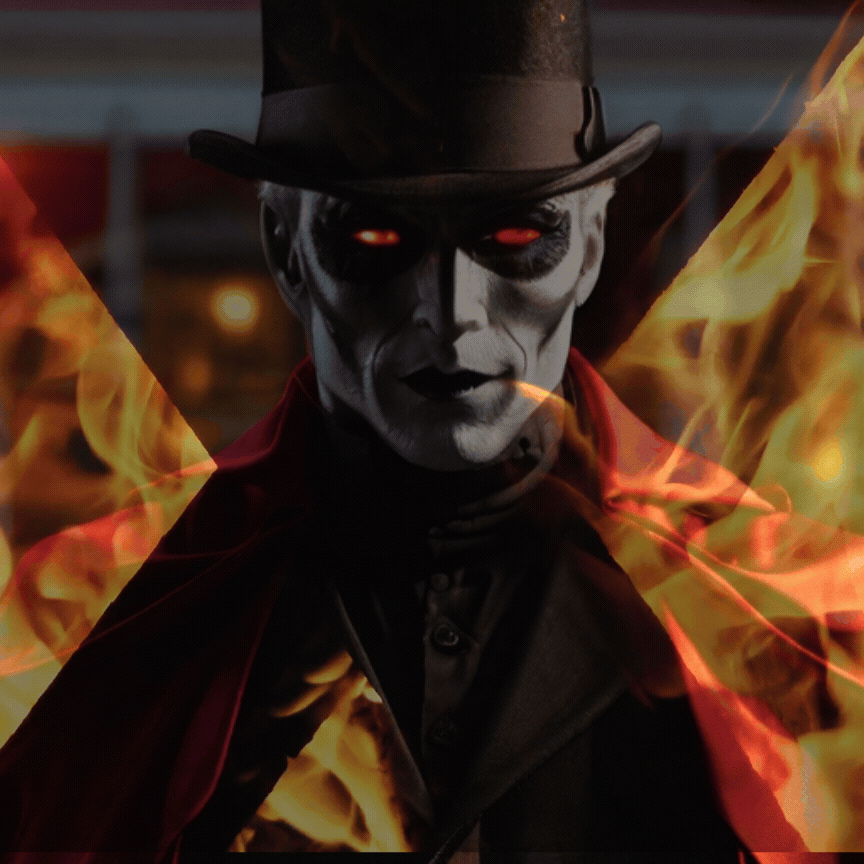
HELL’S FORGE HORROR: ‘In the Beginning PART ONE’ by Jeffrey LeBlanc
Sometimes an Appalachian story is so humanistic, so brutal, and horrific, that its very existence is terrifying. We can’t believe such a tale has been allowed to fester and erupt like a malignant, rotting boil. Yarns like the one I’m about to spin, are the hideous tales whispered in the shadows and taken to the grave. But sometimes the tale, like the undead, rise up to haunt us again, and again for all eternity. And some of us have just meager years left to be terrified in each of our own haunted worlds. Alas, cold in the ground with the Conqueror Worm our only friend, we may continue to be tormented by the ghosts—or demons—of our past. –JL (In the Beginning)
 Jeffrey LeBlanc